How Boxing Builds Confidence Without Making You Aggressive
A beginner-friendly look at how structure, skill practice, fitness, and composure
create quiet, useful confidence.
Some people want to try boxing but hesitate because they do not see themselves as aggressive.
They may be quiet, cautious, or uncomfortable with confrontation. That does not make them a
poor fit for boxing. In fact, the sport can build confidence precisely because it rewards
preparation, composure, and clear decisions more than a loud personality.
Beginner boxing is not about acting tough. It is about learning a stance, practicing repeatable
skills, improving fitness, and becoming more comfortable doing difficult things under guidance.
Confidence is a process, not a personality trait
People often imagine confidence as something you either possess or lack. Training treats it more
practically. You learn one movement, repeat it, receive feedback, and try again. Eventually your
body knows what to do even when you feel nervous. That evidence becomes trust in yourself.
A beginner may first gain confidence by walking through the gym door, asking how to wrap their
hands, or completing three controlled rounds on the bag. None of those moments require
aggression. They require action despite uncertainty.
Boxing confidence is not about intimidating other people. It is
about trusting your preparation and staying composed.
Structure reduces uncertainty
A well-run class gives you a clear sequence: warm up, learn a skill, drill it, practice on pads or a
bag, and cool down. The coach provides a target and a standard. Instead of wondering whether
you are capable in the abstract, you focus on the next concrete task.
This structure is valuable for reserved beginners. You do not need to perform socially or invent
your own workout. Listen, ask questions when needed, and work through the same progression
as everyone else.
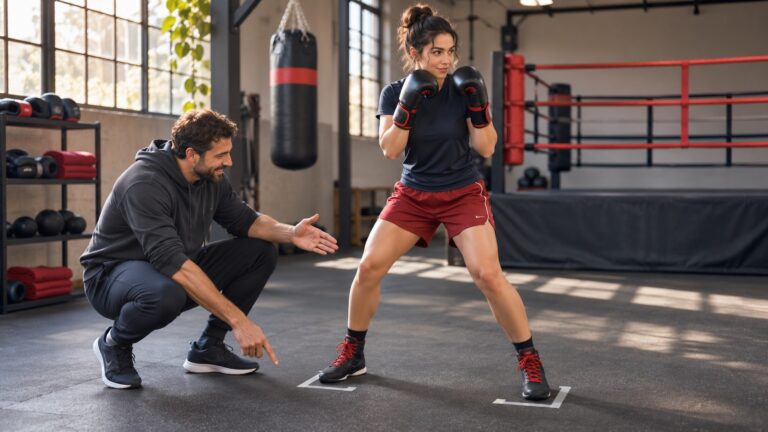
Stance teaches you to occupy your space
A boxing stance is balanced, alert, and ready. Your feet create a stable base, your hands protect
you, and your eyes stay forward. Practicing that posture can feel surprisingly meaningful for
someone accustomed to shrinking away from challenges.
The lesson is not to become confrontational. It is to be present. You can take up appropriate
space, protect yourself, and move deliberately. Small improvements in balance and posture
often change how a beginner carries themselves outside class as well.
The bag offers honest, private feedback
A heavy bag does not judge your experience level. It tells you whether you are standing too
close, falling forward, or losing rhythm. You can slow down, reset, and repeat the same
combination without embarrassment.
Beginners sometimes chase power because a loud impact sounds successful. Real confidence
comes from control: landing the center of the glove, returning the hand to guard, keeping the
feet underneath you, and finishing able to defend. Clean repetitions create a stronger foundation
than uncontrolled force.
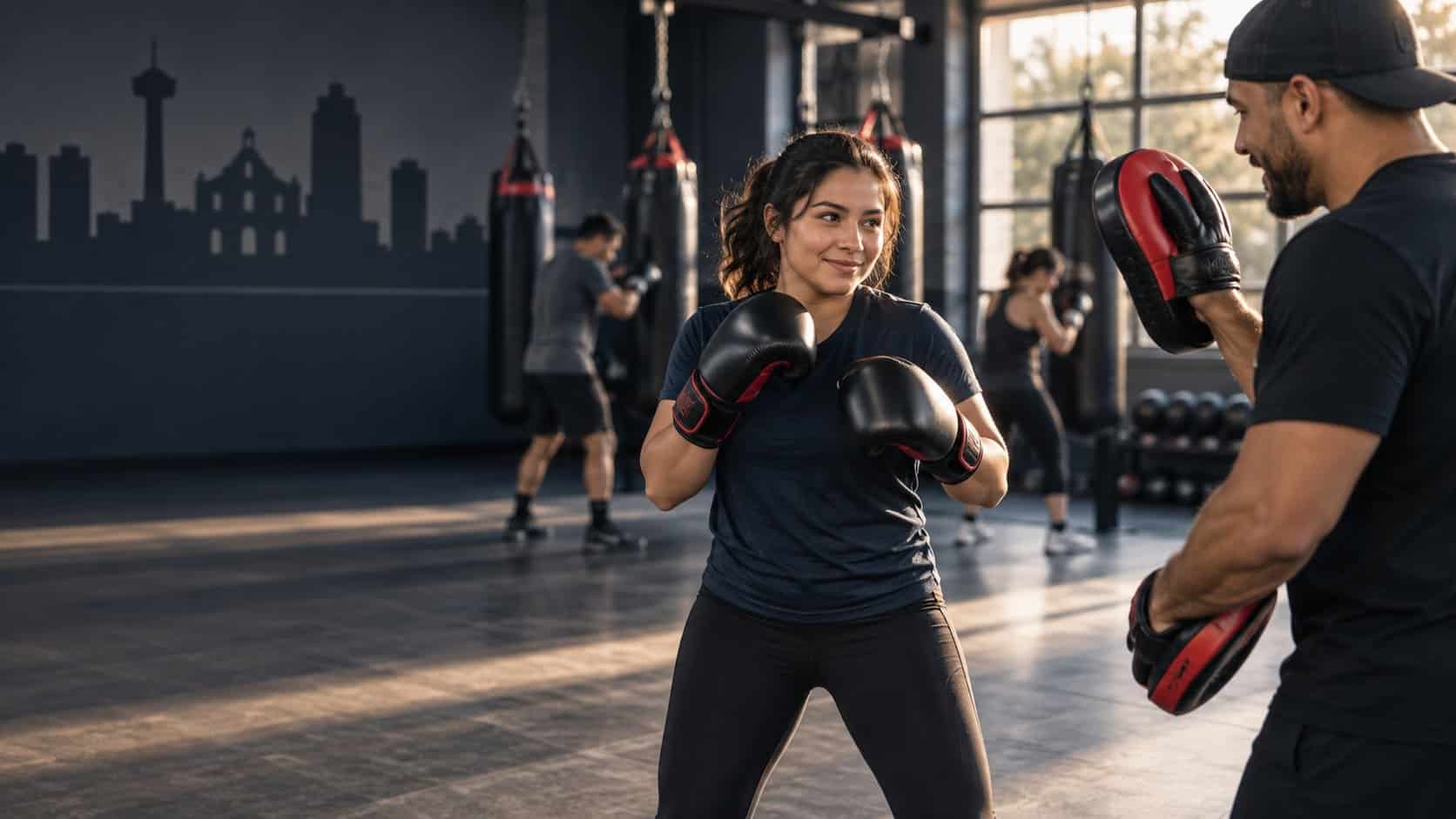
Pads build communication and trust
Focus-mitt work is a conversation between coach and student. The coach presents a target, calls
a combination, and adjusts the difficulty. The student listens, responds, and learns to recover
from mistakes without freezing.
Missing a mitt is normal. A supportive coach helps you reset rather than treating the error as
failure. Each successful correction teaches an important form of confidence: mistakes can be
useful information, and you can remain calm while someone is watching you learn.
Fitness progress changes self-perception
Boxing training can be physically demanding because footwork, punches, defense, and attention
happen together. At first, a short combination may leave your shoulders tired and your breathing
high. With consistent practice, you may recover faster, move longer, and stay relaxed through
rounds.
Those changes are measurable. The person who once worried about finishing the warm-up can
later complete several rounds with good form. Confidence grows because your body provides
evidence that patient work changes what you can do.
Learning defense creates calm choices
Defense begins with guard, distance, balanced feet, and seeing what is in front of you. Controlled
drills teach you to respond to a known cue with a block, catch, parry, or step. The goal is not to
eliminate nerves; it is to keep enough composure to choose a useful response.
This skill can influence everyday stress. Training repeatedly connects pressure with breathing,
posture, and a next action. The gym is not a substitute for professional mental health care, but
many students value the practice of staying present when a task feels difficult.
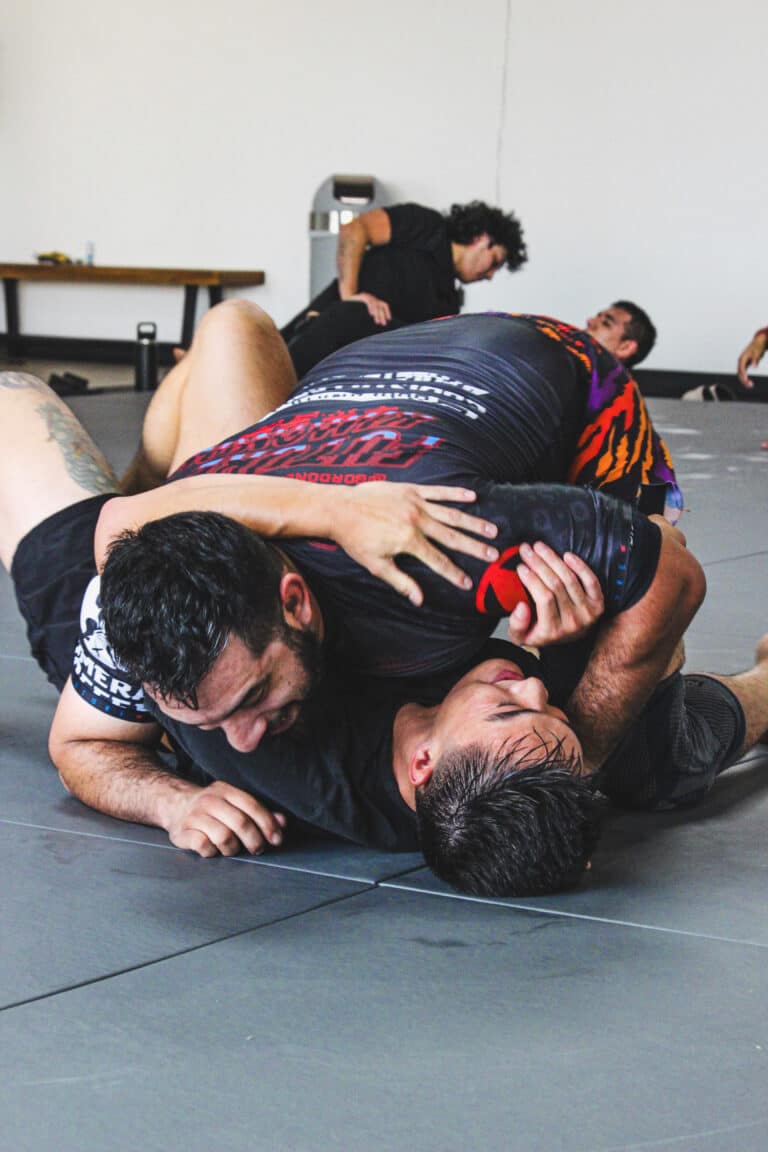
You can train seriously without sparring
Sparring is not a first-day requirement or a test of whether you are a real boxer. Beginners can
develop stance, footwork, punch mechanics, defense, conditioning, and confidence through
shadowboxing, bags, mitts, and cooperative drills.
If you eventually want to spar, that decision should involve your coach, appropriate equipment,
preparation, and informed agreement about intensity. If you do not want to spar, tell the coach
your goals. A good program can still offer challenging, authentic skill development.
A confidence plan for your first month
- Choose a manageable schedule, such as two classes per week.
- Before each class, choose one technical focus: balanced feet, hands returning to guard, or
steady breathing. - After class, record one thing that improved and one question for next time.
- Measure consistency and control, not how hard you hit or how you compare with experienced
students. - Ask the coach for one specific correction you can practice during the next round.
Quiet students can become excellent boxers
Observation, patience, and attention to detail are strengths in boxing. A thoughtful student may
notice patterns, accept coaching, and build disciplined habits. There is no requirement to shout,
posture, or pretend not to be nervous.
Respectful gym culture also matters. Look for coaches who explain drills, set clear expectations,
and pair students responsibly. You should feel challenged without being humiliated or pressured
into contact you did not agree to.
Confidence you can use
The most useful confidence is quiet. It appears when you enter a new room without needing to
know everything, stay balanced when a drill becomes difficult, and recover from a mistake
without giving up. Boxing gives you repeated opportunities to practice those moments.
You do not need to become aggressive to start. Bring curiosity, consistency, and a willingness to
be coached. The confidence can grow from there – one stance, one round, and one well-earned
improvement at a time.
Try a beginner-friendly boxing class at San Antonio Grappling Academy. Our
coaches will help you learn at your pace, answer your questions, and give
you a clear path forward. Contact the academy today to schedule your first
class.