Is It Too Late to Start BJJ After
30 or 40?
A realistic beginner guide to fitness, recovery, partner selection, and building a
sustainable Brazilian Jiu Jitsu practice later in adulthood.
Many adults become interested in Brazilian Jiu Jitsu in their thirties, forties, or later, then wonder
whether they missed the right time to begin. They may see younger athletes moving quickly
online and assume every class is built for competitors. A beginner-friendly academy should offer
a very different experience: structured instruction, controlled practice, and a pace that can be
adjusted to the student.
You do not need a childhood wrestling background, perfect flexibility, or competition goals. You
need a willingness to learn, communicate, and train consistently. Age changes how you approach
recovery and risk, but it does not remove your ability to build useful skill.
Why adults start BJJ later in life
Some adults want exercise that feels more engaging than a treadmill. Others want practical
self-defense skills, a social community, stress relief, or a new challenge with visible progress. BJJ
can serve all of those goals because each class combines movement, problem-solving, and
interaction with training partners.
Your reason does not have to match anyone else’s. A hobbyist who trains twice a week is not
failing because another student competes. The most sustainable plan is the one that fits your
goals and leaves room for work, family, and recovery.
You are not too old to be a beginner. You are simply learning with
more life experience and a clearer reason for showing up.
What a first class should feel like
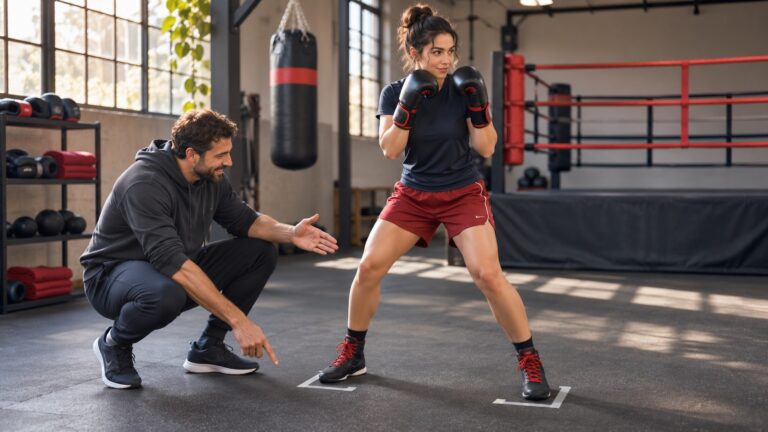
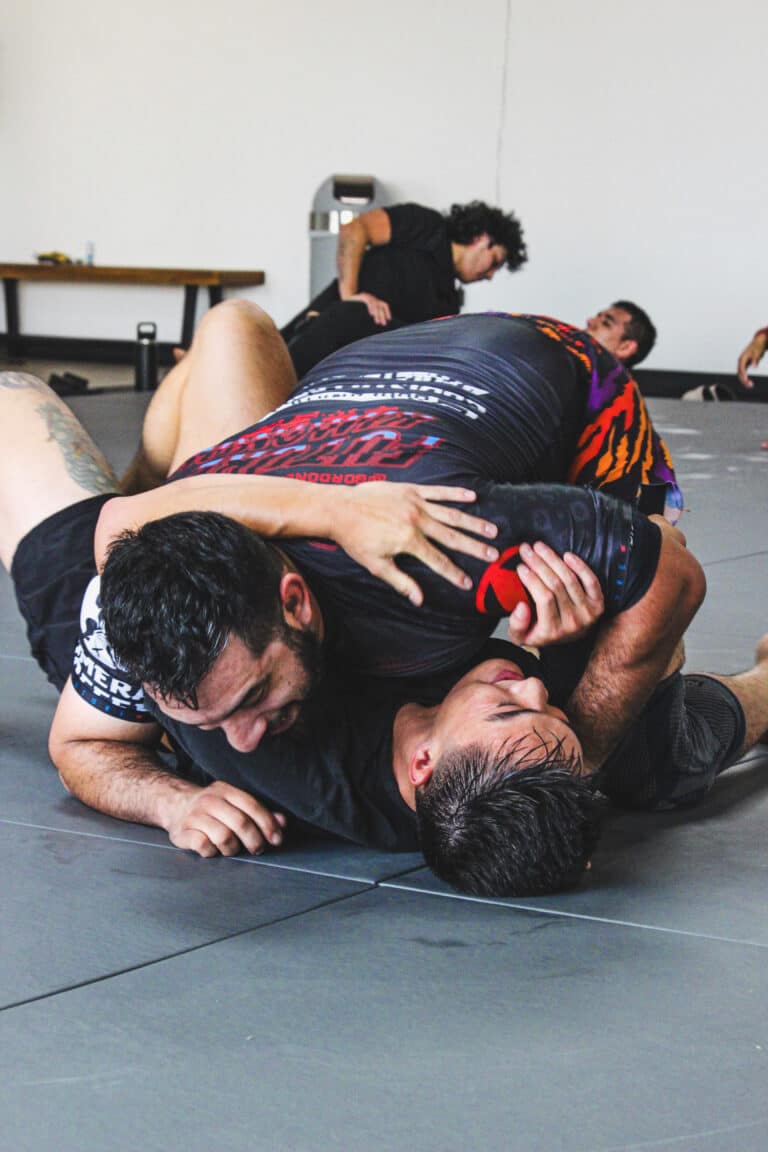
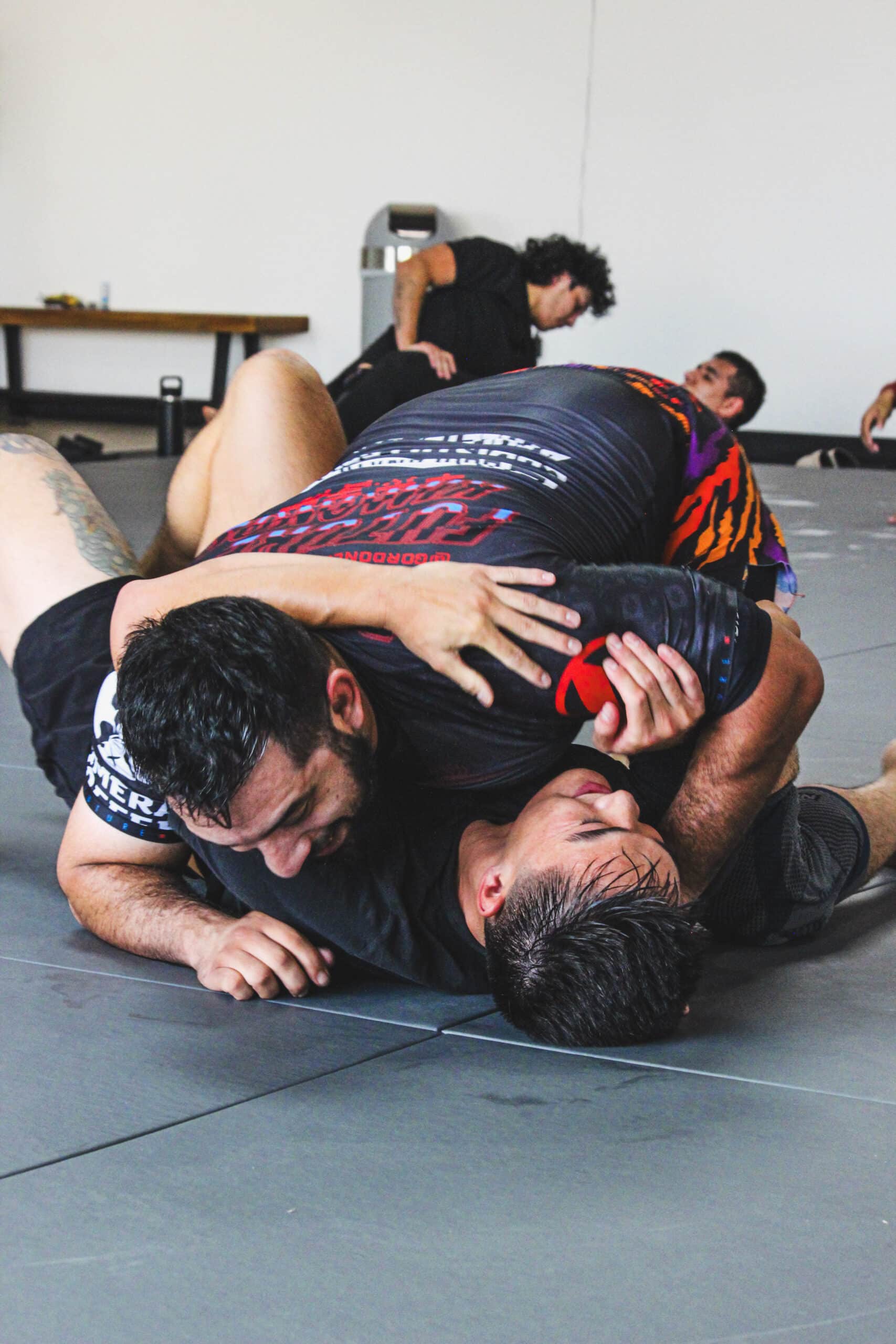
A typical class includes a warm-up, a technique demonstration, partner drilling, and some form of
positional or live practice. New students should receive guidance on where to stand, how to
partner, and when to tap. You should never be expected to understand every term or keep up
with an experienced student’s pace on day one.
Tell the coach that you are new and mention injuries, surgeries, or movement limitations. That
information helps the coach select partners and modify activities. If a drill does not feel
appropriate, ask for an alternative. Good instruction treats communication as part of training.
Do you need to get in shape first?
No general fitness test should stand between you and your first beginner class. BJJ uses
endurance, strength, coordination, and mobility in sport-specific ways. Even a fit runner or lifter
may feel tired because grappling is unfamiliar. The most direct way to develop grappling fitness
is to begin at a manageable pace.
If you have medical concerns or have been inactive for a long time, talk with a qualified health
professional before starting. Once cleared, let the coach know your starting point. Early sessions
should build capacity rather than test your limits.
Recovery matters more than proving toughness
Adults often bring a strong work ethic to the mat, but more effort is not always better. Your body
adapts between sessions. Sleep, regular meals, hydration, and days with lighter movement help
you return ready to learn. Beginning with two separated classes per week gives many students a
useful balance between repetition and recovery.
General muscle soreness may occur, especially during the first few weeks. Sharp pain, joint
instability, significant swelling, numbness, dizziness, or symptoms that worsen are not signals to
push harder. Stop, tell the coach, and seek appropriate medical guidance when needed.
Choose technique over speed
Younger or more experienced partners may move faster, but speed is not the only path to
improvement. BJJ rewards positioning, timing, frames, leverage, and efficient decisions. Adults
who learn to stay calm and use structure often make excellent long-term practitioners.
During drilling, focus on the sequence instead of racing through repetitions. During live practice,
choose one technical goal: keep your elbows close, recover guard, maintain posture, or use a
frame before trying to escape. Small goals make the round productive even when the position is
difficult.
How to select training partners
Your coach can help you find controlled partners who understand how to work with a new
student. Experience, temperament, and body size all matter. A larger partner can be safe when
they manage their weight carefully, and a smaller partner can be challenging without turning the
round into a contest.
- Tell your partner that you are new and suggest a technical pace.
- Mention any limitation that affects the round before the timer starts.
- Tap early and expect your partner to release immediately.
- End the round and speak with the coach if someone ignores the agreed pace.
Mobility is helpful, but flexibility is not an entrance
requirement
BJJ students come with different hip, shoulder, and spine mobility. You do not need to perform
extreme stretches or place your feet behind your head. Fundamental techniques can be adapted
to your range, and your mobility may improve through regular, sensible practice.
Avoid forcing a joint into a position simply because another student can reach it. Ask the coach
for a variation that matches your body. Controlled strength through a comfortable range is more
useful than chasing flexibility without stability.
What progress looks like after 30 or 40
Progress is not limited to tapping someone. In the first months, it may mean breathing more
steadily, recognizing side control, remembering to protect your neck, or using one escape before
becoming tired. You may notice better balance, improved confidence, and less panic when
pressure increases.
Keep a short note after class with one position, one successful decision, and one question. This
creates evidence of improvement when individual rounds feel confusing. BJJ progress is uneven;
one difficult night does not erase weeks of learning.
Competition is optional
Some adults enjoy tournaments because they provide a goal and a focused training cycle. Others
never compete and still become skilled, valued members of the academy. You can learn
technique, improve fitness, and earn rank without making competition your reason for training.
If competition interests you, discuss timing, rules, weight classes, and preparation with the
coach. Do not rush into an event to prove that starting later was serious. Consistent training is
already serious.
A sustainable first-month plan
- Attend two beginner-friendly classes each week on separated days.
- Arrive early enough to discuss injuries, questions, and equipment.
- Use controlled partners and treat tapping as normal communication.
- Track one technical lesson instead of judging the class by wins.
- Add training only when sleep, soreness, schedule, and enthusiasm are stable.
Starting BJJ later in life can be an advantage because you understand patience, consistency, and
the value of a supportive room. You are not auditioning for a professional team. You are building
a practice that can make you stronger, calmer, and more capable for years to come.
Try a beginner-friendly Brazilian Jiu Jitsu class at San Antonio Grappling Academy. Our
coaches will help you learn at your pace, answer your questions, and give
you a clear path forward. Contact the academy today to schedule your first
class.