The Return of Pressure Passing:
Why Fundamentals Are Winning Again in Modern Jiu Jitsu
For years, the conversation around Brazilian Jiu Jitsu seemed to revolve around one thing:
Innovation.
New guards.
New leg lock systems.
New inversions.
New transitions.
Every few months, a new technique appeared that promised to revolutionize the sport.
But one of the most interesting trends emerging in 2026 is something completely different:
The return of pressure passing.
At the highest levels of competition, many of the world’s best grapplers are proving that while
innovation matters, fundamentals still win matches.
And for everyday practitioners, that’s great news.
The Evolution of the Modern Guard
The guard game has never been more sophisticated.
Today’s competitors utilize:
● K-Guard
● False Reap entries
● Reverse De La Riva
● Worm Guard variations
● Matrix transitions
● Complex leg entanglements
The technical level of modern guard play is incredible.
However, as guards become more intricate, passers are adapting.
Instead of trying to win speed battles against increasingly complex guards, many elite athletes
are returning to a simpler approach:
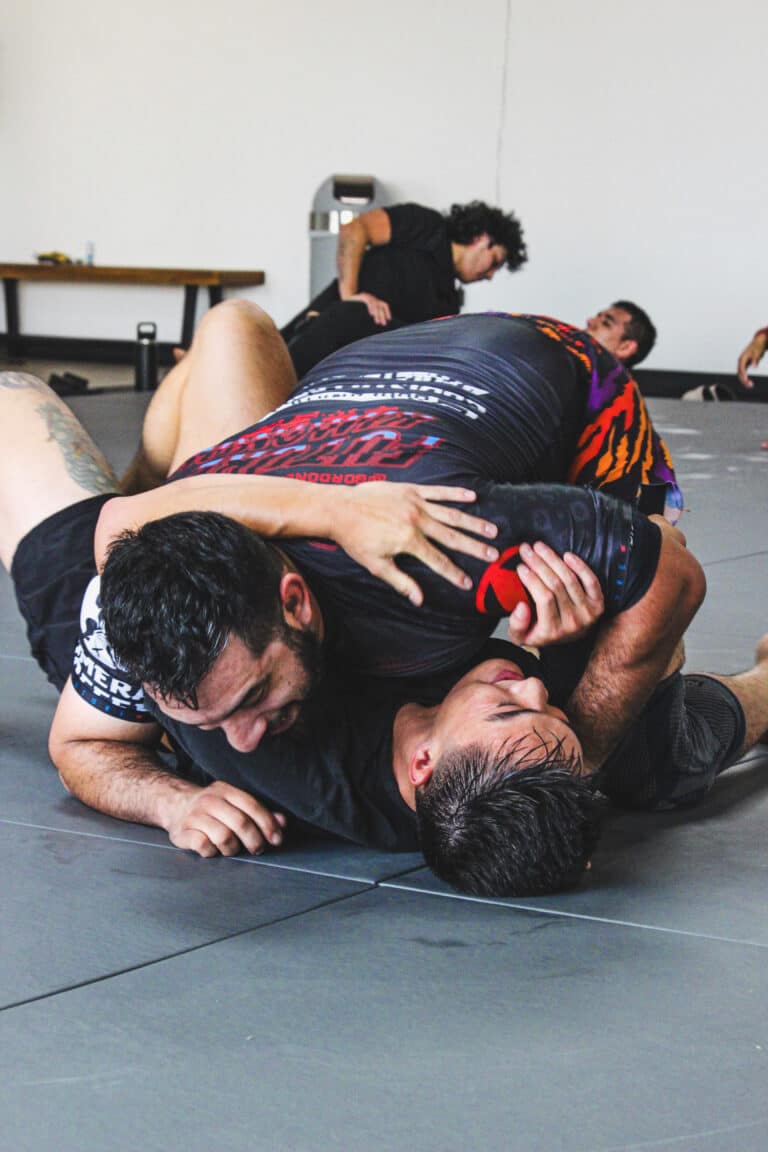
Control first.
Pressure second.
Pass third.
The result is a resurgence of old-school concepts applied with modern precision.
Why Pressure Passing Is Making a Comeback
Pressure passing offers something many dynamic passing styles cannot:
Consistency.
While explosive movement passing often relies on timing and athleticism, pressure passing
relies on:
● Positioning
● Weight distribution
● Patience
● Balance
● Incremental progress
Those attributes tend to hold up under pressure.
When a match becomes chaotic, strong fundamentals remain reliable.
That’s one reason many elite competitors continue building their games around heavy top
pressure despite the constant evolution of guard systems.
Modern Pressure Passing Is Different
This isn’t the pressure passing of fifteen years ago.
Today’s athletes combine traditional concepts with modern understanding.
Instead of forcing a single pass, they’re creating layers of attack:
● Body lock passing
● Headquarters position
● Half guard pressure
● Leg drag transitions
● Backstep counters
● Leg lock awareness
The modern pressure passer isn’t slow.
They’re calculated.
Every movement creates another dilemma for the person playing guard.
Why This Matters for Everyday Students
One of the biggest mistakes newer practitioners make is chasing trends before mastering
fundamentals.
It’s easy to become fascinated by advanced techniques seen on social media.
The problem is that flashy techniques often depend on foundational skills that haven’t been
developed yet.
Pressure passing teaches:
● Balance
● Base
● Patience
● Positional awareness
● Weight management
Those skills improve every aspect of Jiu Jitsu.
And unlike many specialized techniques, they remain effective at every belt level.
The Hidden Advantage of Slowing Down
Modern grappling is faster than ever.
No-Gi competition rewards scrambles.
Wrestling exchanges are more common.
Athletes are increasingly explosive.
That makes the ability to slow a match down incredibly valuable.
Pressure passing forces opponents to carry your weight.
It drains energy.
It limits movement.
It creates frustration.
And frustrated opponents make mistakes.
Sometimes the best way to beat speed isn’t matching it.
It’s removing it from the equation entirely.
Pressure Creates Opportunities
Many people think pressure passing is only about securing position.
In reality, great pressure creates submissions.
As opponents attempt to relieve pressure, they expose:
● Arms
● Necks
● Underhooks
● Back exposure
The best pressure passers don’t force submissions.
They create situations where submissions naturally appear.
That’s why pressure passing remains one of the most effective pathways to dominant positions and finishes.
What Students Can Learn Right Away
You don’t need years of experience to begin improving your pressure game.
Start by focusing on:
Stay Connected
Avoid creating unnecessary space.
Connection creates control.
Win Small Battles
Don’t rush passes.
Focus on improving position inch by inch.
Control the Hips
Most guards become far less effective when hip movement is restricted.
Be Patient
Pressure passing rewards persistence.
The goal isn’t speed.
The goal is inevitability.
The Future of Jiu Jitsu Still Includes Fundamentals
Brazilian Jiu Jitsu will continue evolving.
New guards will appear.
New submissions will emerge.
New strategies will develop.
But one lesson continues repeating itself throughout the sport’s history:
Fundamentals never go out of style.
The athletes dominating modern competition aren’t choosing between innovation and
fundamentals.
They’re combining both.
And for most practitioners, that’s the perfect blueprint for long-term success.
Learn the new techniques.
Study the trends.
But never forget the value of pressure, control, and patience.
Because while the game keeps changing, those principles continue winning matches.