What to Wear to Your First BJJ
Class: A Complete Beginner
Guide
Gi or No-Gi, clothing, footwear, hygiene, and a simple packing list – everything
you need to arrive comfortable and prepared.
Walking into your first Brazilian Jiu Jitsu class should feel exciting, not like a wardrobe exam. You
do not need a closet full of specialized gear before you know whether you enjoy training. A few
clean, comfortable choices will let you move safely, protect your skin, and focus on learning.
The biggest question is whether the class is Gi or No-Gi. The answer changes what you wear, but
the principles stay the same: clothing should fit close enough that fingers and toes do not get
caught, cover the skin where practical, contain no hard parts, and arrive freshly washed.
First, confirm whether the class is Gi or No-Gi
A Gi class uses the traditional jacket and pants, secured with a belt. Students may grip the jacket
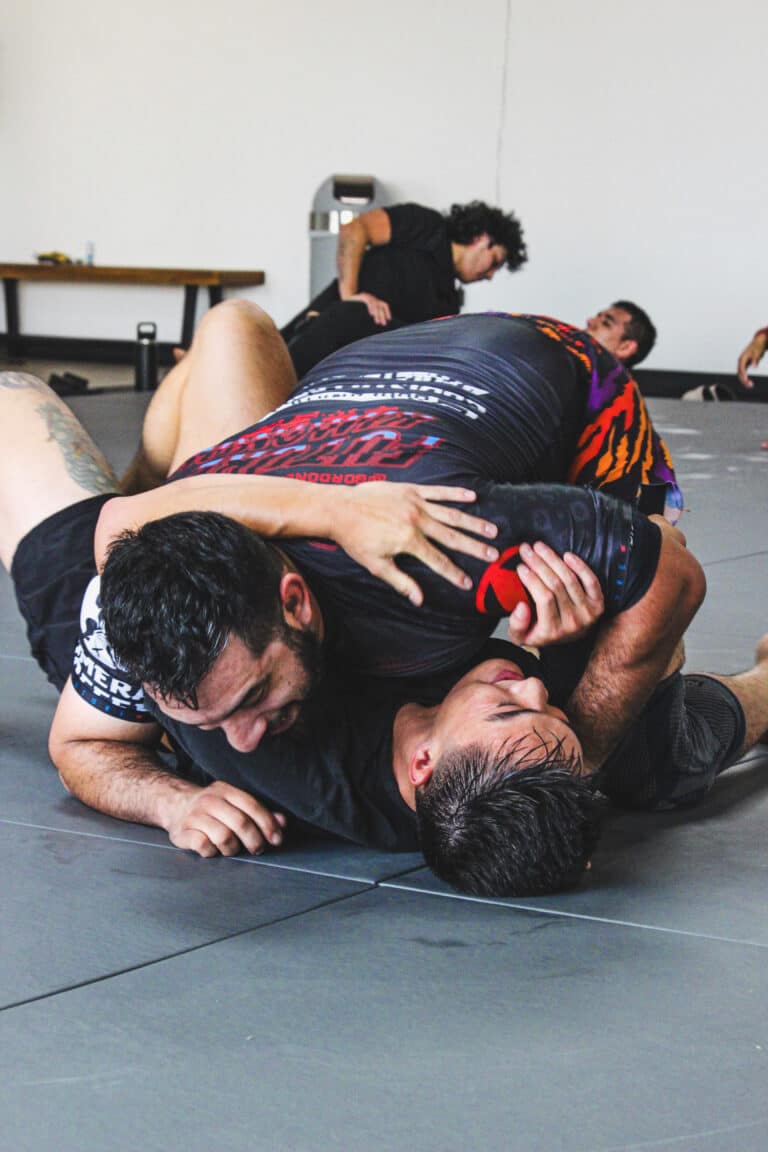
and pants during techniques. A No-Gi class usually uses a fitted athletic shirt or rash guard with
grappling shorts or spats, and clothing grips are generally not part of the rules.
Neither format is the universally better starting point. Gi training can slow exchanges and make
positions easier to study, while No-Gi often feels familiar to people coming from other athletic
activities. Many academies teach both because each develops valuable timing, control, and
problem-solving skills.
Send the academy one quick message before class: ‘Is this class
Gi or No-Gi, and is loaner gear available?’
What to wear to a Gi class
If you already own a properly fitted Brazilian Jiu Jitsu Gi, wear the jacket and pants with a T-shirt
or rash guard underneath if the academy requires or recommends one. BJJ Gis are designed to
withstand pulling and fit differently from many karate or judo uniforms. Ask before substituting
another martial arts uniform.
Brand-new students often do not own a Gi, and that is normal. Many academies have loaners or
can tell you whether clean athletic clothing is acceptable for an introductory session. Do not buy
the most expensive uniform before learning the school’s sizing, color, and patch policies.
What to wear to a No-Gi class
Whenever organizations compete, athletes benefit.
A rash guard is ideal because its smooth, close fit reduces loose fabric and handles sweat well.
For a first class, a fitted moisture-wicking athletic shirt may be acceptable if the academy
approves it. Choose a shirt without zippers, metal pieces, or large plastic decorations.
Wear grappling shorts, compression shorts under board-style shorts, or athletic leggings
designed for movement. Shorts should not have exposed zippers, hard buckles, metal eyelets, or
open pockets. Basketball shorts can work only if they stay secure and do not create large loops
where a foot might catch.
What about cups, braces, and jewelry?
As competition intensifies, specialists are finding it Remove rings, necklaces, watches, earrings, and piercings that could scratch a partner or
become trapped. Hard athletic cups are restricted in many grappling settings because they can
create unsafe pressure and an unfair leverage point. Ask the coach before wearing any cup,
brace, or protective support.
Soft braces may be allowed when they have no exposed hinges, clips, or abrasive surfaces. A
coach can help you cover safe supports with athletic tape or recommend modifications. If you
have a current injury, medical concern, or skin condition, explain it privately before stepping onto
the mat.
Bare feet on the mat, footwear off the mat
You don’t need professional aspirations to benefit from these changes.
BJJ is normally practiced barefoot. The mat stays cleaner when outdoor shoes never touch it, but
bare feet should not wander through restrooms, parking lots, or other dirty areas and then return
to training. Bring easy-to-remove sandals and use them whenever you leave the mat area.
Socks are generally not worn because they slide and reduce traction. If a medical issue requires
foot coverage, contact the academy beforehand so the coach can advise you.
The hygiene routine every beginner should know
Close contact makes hygiene a shared responsibility. Shower regularly, use deodorant, and
arrive with clean skin and clean gear. Trim fingernails and toenails short and smooth; a freshly
clipped sharp corner can scratch as easily as a long nail.
Covering strong odors with fragrance is not a substitute for washing, and heavy perfume can
bother training partners. If you have an open cut, draining wound, unusual rash, or possible
contagious skin infection, stay off the mat and seek appropriate medical advice. Tell the
academy so your return can be handled safely.
After class: the non-negotiables
- Place worn gear in a separate washable or ventilated bag, not loose beside clean clothing.
- Wash your Gi, rash guard, shorts, and other training garments after every session.
- Air-dry equipment completely when recommended; never leave damp gear sealed in a hot car.
- Shower as soon as reasonably possible and clean any small scrape promptly.
- Wipe down reusable items such as a mouthguard case, brace, or gear bag on a regular
schedule.
What to pack in your first-class bag
Pack lightly. Bring your approved training clothes, sandals, a full water bottle, and a small towel.
A plastic or washable wet bag keeps used clothing separate afterward. If you wear contacts,
consider bringing a case and glasses. Keep valuables at home or ask where they should be
stored.
You may eventually add finger tape, a mouthguard, multiple rash guards, and other preferences,
but none of those should become reasons to postpone starting. The academy can help you
purchase the right items after you understand the class format.
Fit matters more than appearance
With so many new techniques appearing every year, it’s You should be able to squat, sit, lift your arms, and move your hips without the clothing cutting
into you or sliding out of place. Gear that is extremely tight can restrict breathing and
movement; gear that is excessively loose can catch on hands and feet. Test your outfit at home
with a few gentle lunges and floor movements.
Choose coverage that makes you comfortable. BJJ has students with many body types, fitness
levels, and personal preferences. You are not expected to look like a competitor. Clean, secure,
movement-friendly clothing is the standard.
Your five-minute pre-class check
- Class format confirmed: Gi or No-Gi.
- Freshly washed clothing with no hard pieces, open pockets, or exposed fasteners.
3
SAN ANTONIO GRAPPLING ACADEMY - Jewelry removed and nails short and smooth.
- Water bottle, sandals, and a bag for used gear packed.
- Any injury, brace, or concern ready to discuss with the coach.
Once those basics are handled, stop worrying about the uniform and let yourself be a beginner.
Your coach will explain the room, partners will help you learn the rhythm, and your gear
preferences will become clearer with experience. The important part is arriving clean, prepared,
and ready to learn.
Ready to Begin Your Journey?
Whether your goal is to compete, improve your fitness, learn practical selfdefense, or simply challenge yourself in a supportive environment, there’s never
been a better time to start training Brazilian Jiu Jitsu. Our academy welcomes
students of all experience levels and is committed to helping you build confidence,
develop real skills, and enjoy the lifelong journey of learning. We look forward to
seeing you on the mats.