Why More Adults Than Ever Are Starting Brazilian Jiu Jitsu After 30
For years, Brazilian Jiu Jitsu carried a reputation as a young athlete’s sport.
Competitive.
Demanding.
Physically brutal.
But one of the biggest trends emerging in 2026 isn’t about elite competitors or professional
grappling events.
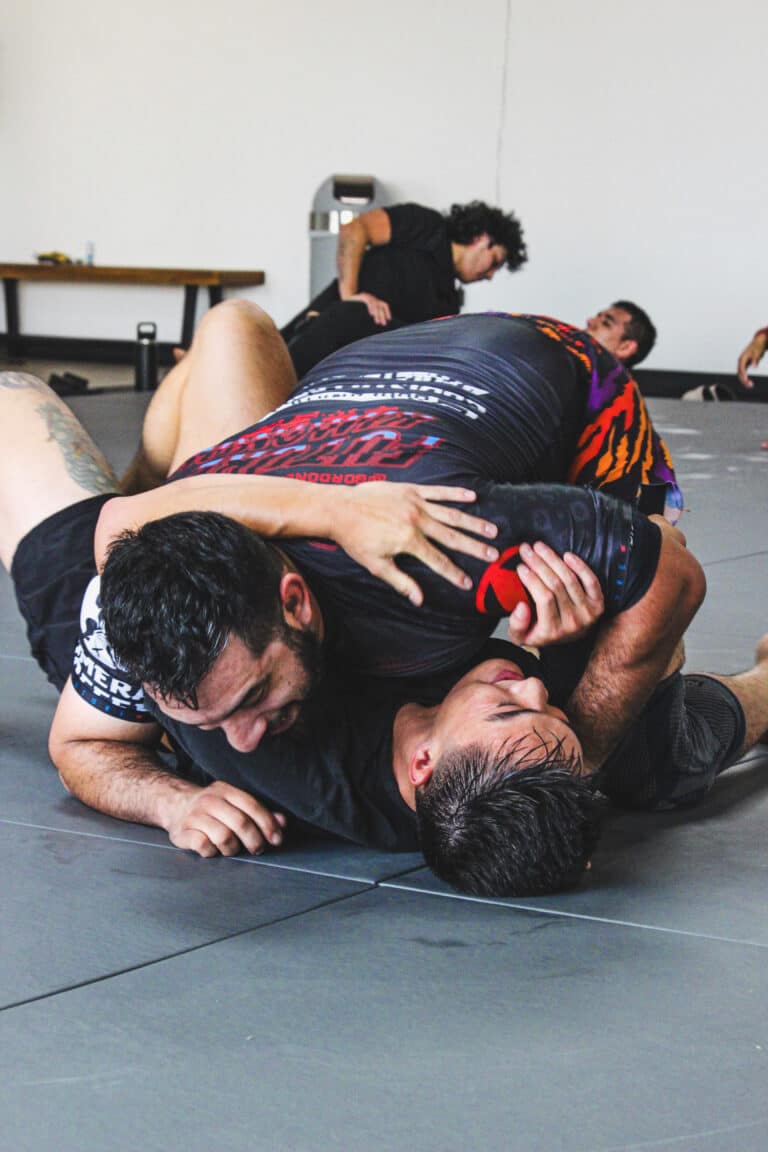
It’s about adults over 30 stepping onto the mats for the very first time.
Across academies worldwide, the fastest-growing demographic isn’t aspiring world
champions—it’s professionals, parents, entrepreneurs, and everyday people looking for
something modern fitness programs can’t provide.
And that’s changing the face of Brazilian Jiu Jitsu.
Traditional Fitness Is Losing Its Appeal
Many adults eventually discover the same problem with conventional workouts.
They work.
But they’re boring.
Running on a treadmill.
Lifting weights.
Repeating the same routines every week.
While these activities can improve health, they often lack engagement.
Jiu Jitsu offers something different.
Every class presents new challenges.
Every training partner creates new problems.
Every round demands focus and adaptation.
Instead of simply exercising, practitioners are learning a skill.
That difference matters.
When people enjoy the process, consistency becomes much easier.
The Mental Benefits Are Becoming a Major Selling Point
Modern life creates a constant stream of stress.
Work deadlines.
Family responsibilities.
Financial pressures.
Endless notifications.
Many practitioners describe Jiu Jitsu as one of the few places where they can completely
disconnect from everything else.
When someone is trying to pass your guard or secure a choke, emails and meetings disappear
from your mind.
Training forces presence.
For many adults, that mental reset is becoming just as valuable as the physical benefits.
Jiu Jitsu Provides Real Community
One reason many adults struggle to maintain fitness routines is isolation.
Going to a commercial gym often means:
● Wearing headphones
● Avoiding interaction
● Completing a workout alone
● Leaving immediately afterward
Jiu Jitsu creates the opposite environment.
Training requires cooperation.
Students help each other improve.
Training partners build trust.
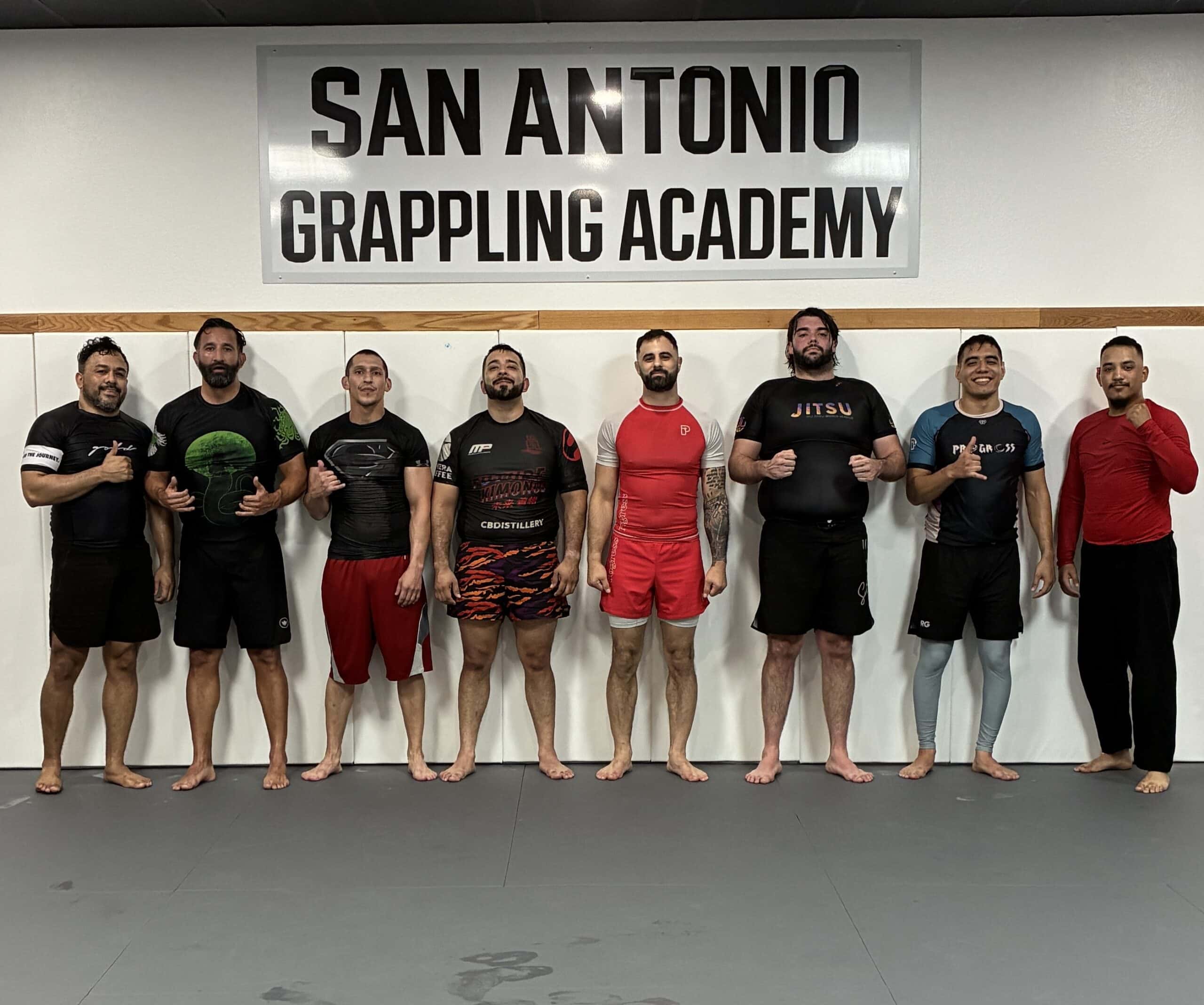
Shared challenges create genuine friendships.
Many long-term practitioners will tell you the community becomes just as important as the
training itself.
In an increasingly digital world, that human connection has become incredibly valuable.
The Sport Is More Beginner-Friendly Than Ever
Another major reason for the surge in adult participation is the evolution of academies
themselves.
Today’s successful schools are focusing heavily on:
● Structured beginner programs
● Safer training environments
● Clear onboarding processes
● Professional coaching systems
● Long-term student retention
The old stereotype of the intimidating “fight gym” is disappearing.
Modern academies understand that helping beginners succeed is essential for growth.
As a result, new students are finding welcoming environments that make starting far less
intimidating than it once was.
Self-Defense Still Matters
While sport Jiu Jitsu continues to evolve, self-defense remains a powerful reason many adults
begin training.
Jiu Jitsu teaches:
● Distance management
● Positional control
● Escapes from bad situations
● Confidence under pressure
More importantly, it develops the ability to remain calm during stressful physical encounters.
Even students who never intend to compete often appreciate the confidence that comes from
knowing they can protect themselves if necessary.
Longevity Is Becoming the New Goal
A noticeable shift is happening in the culture of Brazilian Jiu Jitsu.
Ten years ago, many practitioners focused primarily on competition.
Today, more students are prioritizing longevity.
The question has changed from:
“How hard can I train this week?”
to
“How can I still be training twenty years from now?”
This shift has encouraged:
● Smarter recovery protocols
● Better mobility work
● Improved strength training
● More technical rolling
● Reduced injury rates
The result is a healthier, more sustainable approach to the sport.
Why Starting After 30 Might Actually Be an Advantage
Many adults worry they’ve started too late.
The reality is often the opposite.
Older beginners frequently bring:
● Greater patience
● Better emotional control
● Stronger discipline
● Consistent schedules
● Realistic expectations
Those traits often lead to steady long-term improvement.
While younger athletes may rely on speed and explosiveness, adult practitioners often develop
efficient technical games that continue serving them for years.
Final Thoughts
Brazilian Jiu Jitsu is no longer just a young competitor’s sport.
It’s becoming one of the most effective activities for adults seeking fitness, challenge,
community, and personal growth.
The techniques are valuable.
The workouts are demanding.
The friendships are real.
And perhaps most importantly, every time you step onto the mat, you’re investing in becoming a
better version of yourself.
That’s why more adults than ever are starting Jiu Jitsu after 30—and why so many of them
never stop.